
Australia and South Korea make a natural trading pair. South Korea is consistently one of Australia’s top five trading partners, and the demand for Australian goods – from iron ore and coal to beef, wine, and wool – continues to grow year on year. If you are planning to ship goods from Australia to South Korea, this guide covers everything you need.
Shipping from Australia to South Korea – Sea Freight or Air Freight?
Two modes of transport dominate this route: sea freight and air freight. The right choice depends on your cargo type, urgency, and budget.
💡 Quick tip: Sea freight is the standard choice for bulk, industrial, and commercial goods. Air freight is the go-to for perishables, pharmaceuticals, time-sensitive orders, and high-value cargo where speed is the priority.
Sea Freight from Australia to South Korea
Sea freight is the backbone of the Australia–South Korea trade route. The two countries sit in the same oceanic region, which keeps transit times comparatively short and costs highly competitive. The vast majority of commercial cargo – raw materials, agricultural produce, vehicles, machinery, and packaged consumer goods – moves by sea.
Transit Time by Sea from Australia to South Korea
Depending on the port of departure in Australia and the destination in South Korea, the typical sea freight transit time is 10 to 18 days. Shipments from Australia’s eastern ports (Melbourne, Sydney, Brisbane) to Busan generally fall in the lower end of that range. Shipments from Fremantle on the west coast may take a few extra days depending on routing.
Main Seaports in Australia
- Port of Melbourne is Australia’s largest container port, handling over 3 million TEUs per year. It is the primary departure point for containerised exports heading to Northeast Asia, including South Korea.
- Port of Botany (Sydney) is Australia’s second-busiest container port and a major export hub for New South Wales. It handles a broad mix of goods, from agricultural products to manufactured goods.
- Port of Brisbane serves Queensland’s exports – including coal, agricultural commodities, and consumer goods – and offers strong direct and transshipment services to South Korean ports.
- Port of Fremantle (Perth) is the main gateway for Western Australia, which is the source of much of Australia’s iron ore and mineral exports. It is particularly important for bulk cargo and has regular services to Busan and Gwangyang.
- Port of Adelaide handles South Australia’s exports, including grain, wine, and automotive parts, and offers feeder connections to major Asia-Pacific routes.

Main Seaports in South Korea
- Port of Busan is South Korea’s largest seaport and one of the top five busiest container ports in the world, handling over 22 million TEUs annually. Nearly all containerised cargo from Australia arrives or transits through Busan. It offers excellent onward connectivity to inland South Korea and other Asian markets.
- Port of Incheon is located near Seoul and is a major hub for general cargo, cold chain logistics, and consumer goods. It is the preferred arrival port for importers serving the Seoul Capital Area.
- Port of Gwangyang is South Korea’s second-largest container port and an important industrial gateway, particularly for steel, chemicals, and bulk cargo. It is the port of choice for shippers supplying industries in South Jeolla Province.

⚠️ Important note: While Busan Port handles the overwhelming majority of Australian container imports, for time-sensitive or specialised cargo, Incheon can offer faster inland delivery to Seoul and the surrounding capital region.
Air Freight from Australia to South Korea
Air freight between Australia and South Korea is fast, reliable, and well-served by major carriers. Direct and one-stop flight connections between Sydney or Melbourne and Incheon are frequent, making this one of the more practical air freight corridors in the Asia-Pacific.
Transit Time by Air from Australia to South Korea
The typical air freight transit time (door-to-door, including customs) is 2 to 5 business days.
Main Cargo Airports in Australia
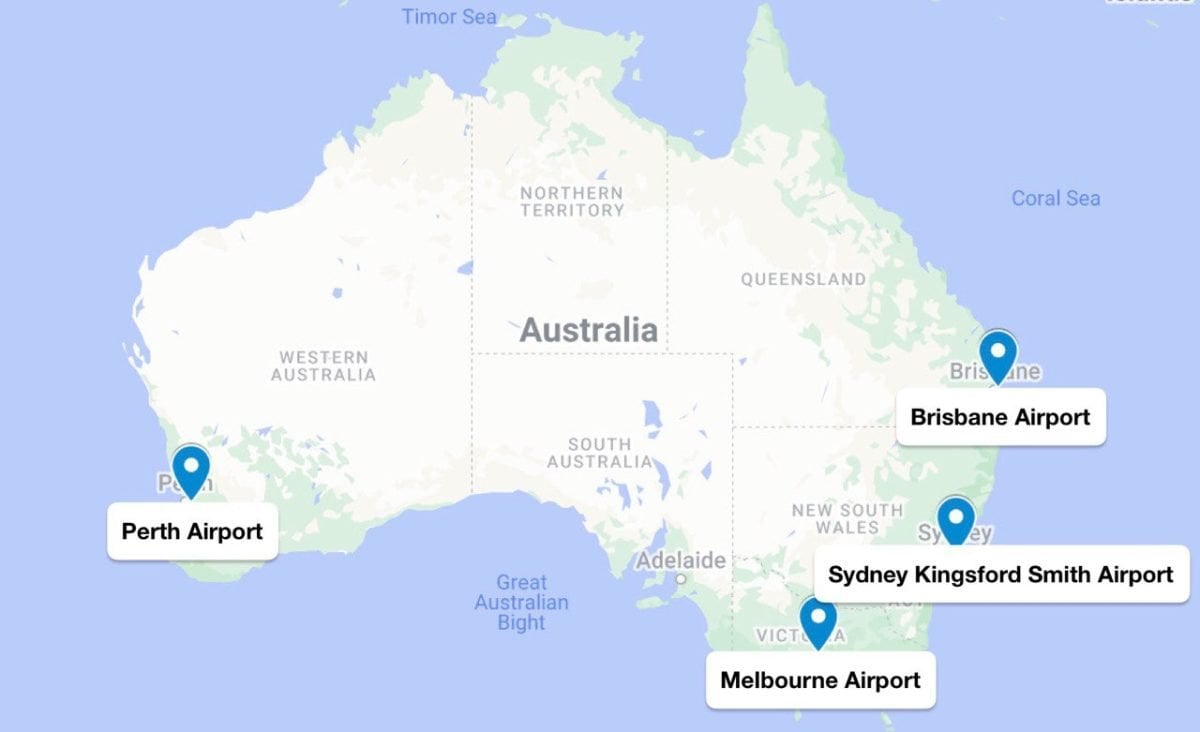
- Sydney Kingsford Smith Airport is Australia’s largest air cargo hub, processing over 600,000 tonnes of freight per year. It is served by major cargo carriers and passenger airlines operating belly freight, providing ample capacity for both express and general air cargo to South Korea.
- Melbourne Airport (Tullamarine) is Australia’s second-largest cargo airport and handles significant volumes of perishables, pharmaceuticals, and high-value manufactured goods.
- Brisbane Airport is a growing cargo hub with direct freighter services to several Asian destinations and an important gateway for Queensland’s perishable exports.
- Perth Airport is strategically positioned for cargo moving between Western Australia and East Asia, with competitive transit times to Korean destinations.
Main Cargo Airports in South Korea
- Incheon International Airport (ICN) is one of the busiest cargo airports in the world, consistently ranking in the global top five for air freight volume. It handles over 2.5 million tonnes of cargo annually and is the primary air cargo gateway for all of South Korea. Almost all air freight from Australia arrives here.
- Gimpo International Airport primarily handles domestic flights but plays a role in regional air movements and some charter cargo operations.

How Much Does Shipping from Australia to South Korea Cost?
Freight rates fluctuate based on carrier capacity, fuel prices, port conditions, and seasonal demand. Generally:
- LCL sea freight from Australian east coast ports to Busan: from approximately $60–$120 per CBM, plus origin and destination handling charges.
- FCL sea freight (20-foot container) from Melbourne or Sydney to Busan: from approximately $800–$2,000, depending on carrier and season.
- Air freight from Sydney or Melbourne to Incheon: from approximately $3–$7 per kilogram, plus fuel surcharge, security fees, and handling.
These are indicative figures only. The Australia–South Korea lane is competitive, and rates can vary significantly between freight forwarders. The best way to find the right price is to compare multiple quotes simultaneously.
Shipping from Australia to South Korea at a Glance
| Sea Freight | Air Freight | |
|---|---|---|
| Transit time | 10–18 days | 2–5 business days |
| Best for | Bulk, commercial, heavy cargo | Urgent, perishable, high-value |
| Cost | Lower | Higher |
| Main port (AU) | Melbourne / Botany / Brisbane | Sydney / Melbourne |
| Main port (KR) | Busan | Incheon (ICN) |

Ship from Australia to South Korea now
You now have a clear picture of what the Australia-South Korea trade route involves. The next step is straightforward: get your quotes, compare your options, and work with a freight forwarder who knows both markets. Request a free shipping quote on ShipHub today →